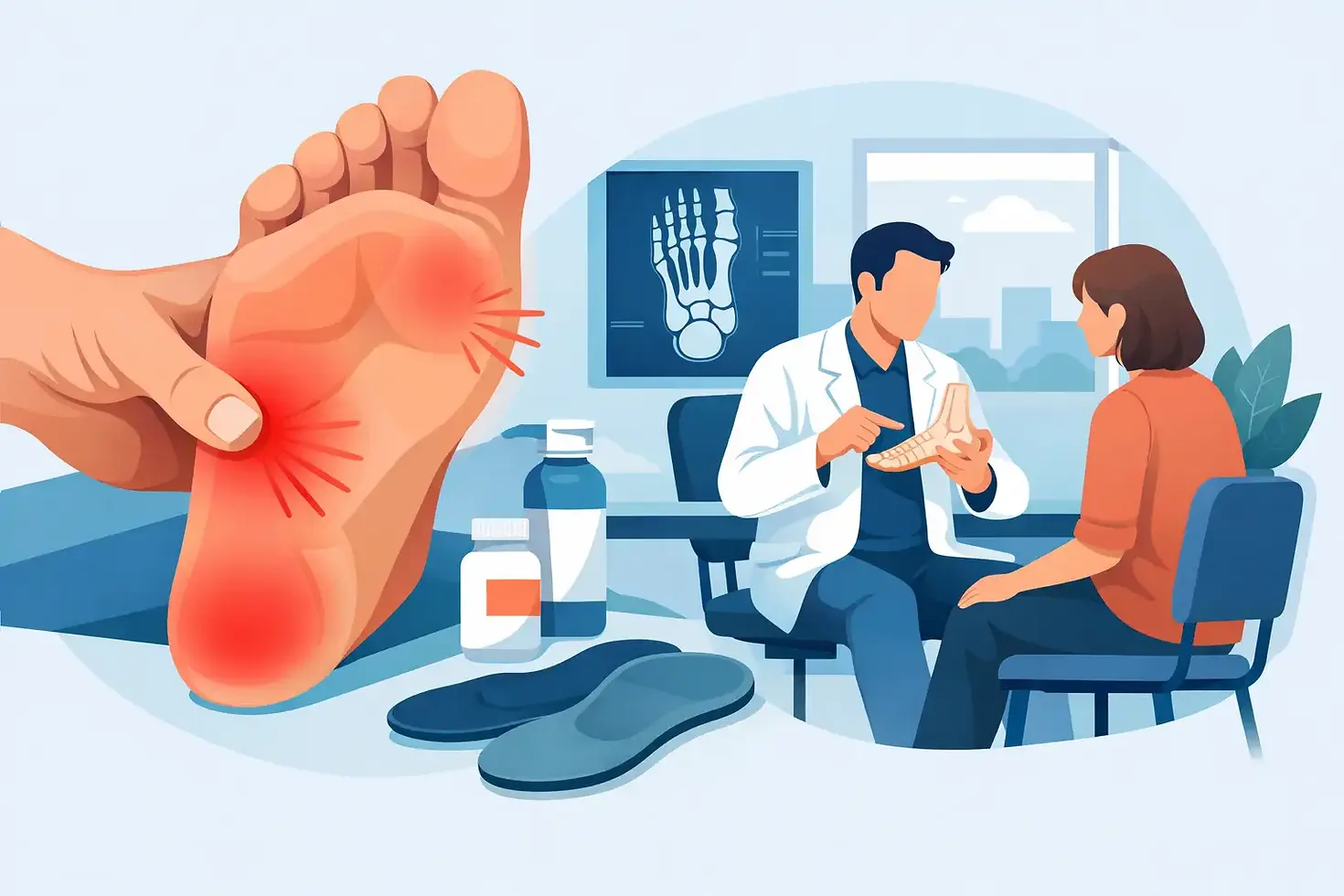
When to See a Foot Pain Specialist in Essex
- footporium
- Aug 12
- 5 min read

A sharp pain on the first few steps out of bed, an ache across the ball of the foot after a commute, or an ankle that repeatedly feels unstable can quickly make everyday life smaller. Foot pain is not something to simply accept as part of getting older, working on your feet or keeping active. A foot pain specialist in Essex can help identify why the pain has developed and create a plan that supports both recovery and confident movement.
The foot has 26 bones, numerous joints, muscles, tendons and ligaments, all working together to absorb load and propel the body forwards. When one part is irritated, overloaded or not moving as it should, the effect can be felt locally or further up the leg. That is why an accurate assessment matters more than repeatedly treating the sorest area.
When foot pain needs specialist assessment
A brief discomfort after a long walk or an unfamiliar activity may settle with sensible rest and a gradual return to normal activity. Persistent, recurrent or worsening pain deserves closer attention, particularly when it changes how you walk, exercise or work.
It is sensible to arrange an assessment if pain has not improved after a couple of weeks of reducing aggravating activity, if it returns whenever you resume exercise, or if you are relying on pain relief just to get through the day. Changes in footwear tolerance, swelling, numbness, tingling or a feeling that the foot is giving way are also useful clinical clues.
Children and teenagers should not be overlooked. Growing feet can experience heel pain, knee pain and discomfort linked to sport, footwear or loading changes. Early advice can help maintain participation while reducing unnecessary strain.
Symptoms that require prompt medical advice
Some symptoms should not wait for a routine appointment. Seek urgent medical attention for a foot that is hot, red and significantly swollen, severe pain following an injury, an obvious deformity, a wound that is not healing, or signs of infection. People with diabetes, poor circulation, reduced sensation or a compromised immune system should seek professional advice promptly for any new break in the skin, colour change or unexplained swelling.
Why the source of pain is not always where it hurts
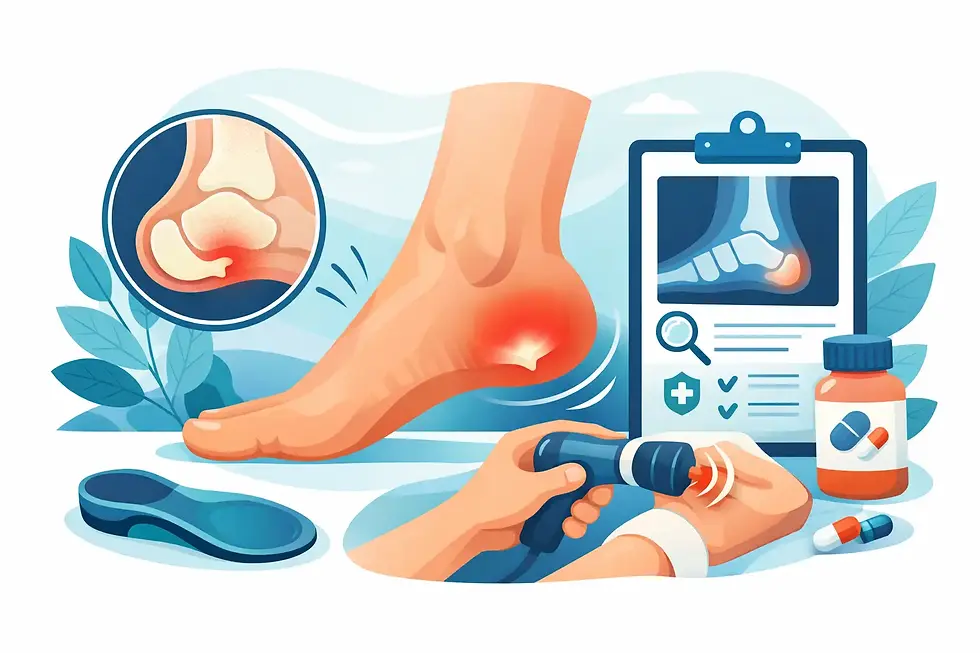
Pain under the heel is often associated with plantar fascia irritation, but the right treatment depends on the individual. Tightness through the calf, a sudden increase in walking or running, reduced ankle movement, poorly supportive footwear and changes in body load can all contribute. Simply stretching or buying an insole without understanding the contributing factors may provide limited relief.
The same principle applies elsewhere in the foot. Forefoot pain may arise from pressure beneath the metatarsal heads, irritation around a nerve, joint inflammation or altered loading caused by an unstable big toe joint. Midfoot pain can relate to joint stress, tendon problems or the way the foot moves during gait. Ankle pain may be linked to a previous sprain, restricted motion, tendon loading or instability.
Foot mechanics can also influence the wider kinetic chain. A person may present with shin pain, knee discomfort, hip pain or lower back symptoms while a significant contributing factor lies in how their feet manage force during walking or running. This does not mean every knee or back problem is caused by the feet. It does mean that a proper lower-limb assessment can reveal an overlooked part of the picture.
What a foot pain specialist in Essex should assess
A specialist consultation should begin with listening. The onset of symptoms, the activities that trigger them, previous injuries, occupation, footwear, medical history and exercise goals all help build a clear clinical picture. Pain after standing for eight hours requires a different approach from pain that begins five kilometres into a run.
Assessment may include observing posture and walking, checking joint movement, muscle strength, balance, foot and ankle alignment, and the way the lower limb responds to load. The clinician will examine the painful area, but should also consider the calf, ankle, knee and hip where relevant. Footwear assessment can be particularly valuable, as worn or unsuitable shoes may alter comfort and stability.
In some cases, further investigation or referral is appropriate. Imaging, a GP review, physiotherapy input or consultation with another healthcare professional may be recommended when symptoms suggest a condition outside podiatry alone. Good care is not about claiming that one treatment solves every problem. It is about recognising what is most likely to help and when multidisciplinary support is needed.
Treatment should match your diagnosis and goals
The most effective care plan is usually a combination of measures rather than a single quick fix. The right balance depends on the diagnosis, the severity of symptoms, your health, daily demands and what you want to return to.
For some people, treatment begins with reducing irritation through activity modification and practical footwear changes. This is not necessarily a request to stop all movement. A podiatrist can help identify what to pause temporarily, what can be continued safely and how to build activity back up without repeatedly provoking the same pain.
Targeted exercises may improve strength, mobility and control through the foot, ankle and lower limb. They are most useful when they are specific and realistic. A programme that fits around work, school runs or training is more likely to be completed than a long list of exercises with no clear purpose.
Manual treatment, padding or strapping may sometimes provide short-term relief while the underlying issue is addressed. Skin and nail care can also be essential when corns, callus, verrucas or ingrowing toenails are making each step painful. These conditions are common, but they should not be dismissed as minor if they are limiting mobility.
The role of custom orthoses
Custom insoles, also known as orthoses, can be helpful when altered foot mechanics, pressure distribution or instability is contributing to symptoms. They are not a cure-all, and they do not replace strengthening, appropriate footwear or changes to training load where these are needed.
A well-prescribed orthotic is designed around the individual foot, symptoms and footwear requirements. For example, a person who spends most of the day in work shoes may need a different solution from a runner using high-volume trainers. Advanced options, including Phits insoles, can be considered where a detailed biomechanical assessment indicates they are appropriate.
The aim is not to force every foot into an identical position. It is to improve comfort, manage load and support more efficient movement in a way that suits the person wearing the device.
Preparing for your appointment
Arriving with a clear sense of when the pain started and what affects it can make an appointment more productive. If you have them, bring the shoes you wear most often, including running or work footwear. It can also help to note whether pain is worse first thing in the morning, after sitting, during activity or later in the day.
Be honest about your usual activity level and your goals. Whether you want to walk comfortably around Romford, return to weekend football or complete a race matters when planning treatment. There is little value in a plan that does not reflect the demands you need your body to meet.
At Footporium Podiatry, specialist podiatric biomechanics is used alongside practical podiatry care to assess the causes of foot and lower-limb pain, not merely the point where symptoms are felt. Appointments can be particularly valuable for people whose pain has persisted despite changing shoes, resting or trying generic insoles.
Pain-free movement is rarely about finding one perfect shoe or one exercise. It comes from understanding what your feet are being asked to do, addressing the factors they are struggling with and giving recovery enough time to take hold. If pain is changing your stride or limiting the things you enjoy, seeking a tailored assessment is a sensible next step.


Comments