
Custom Orthotics Review Guide for Lasting Comfort
- footporium
- 5 days ago
- 6 min read

A pair of insoles can look deceptively simple, yet the difference between a helpful orthotic and an uncomfortable one often begins long before it goes into your shoe. This custom orthotics review guide explains what a well-considered orthotic service should involve, what results are realistic, and how to judge whether the recommendation suits your feet, footwear and daily demands.
For someone managing heel pain, forefoot pain, recurrent shin discomfort or pain that reaches the knees, hips or back, an orthotic should never be treated as a generic add-on. It is one part of a clinical plan designed around how you move.
What are custom orthotics?
Custom orthotics are prescription insoles made to support, accommodate or influence the way your feet function. They are different from standard shop-bought insoles, which are made in a limited range of shapes and sizes for broad comfort rather than an individual’s foot mechanics.
A custom device may help redistribute pressure from a painful area, improve stability, cushion sensitive tissues or reduce strain on a tendon, joint or ligament. Depending on the diagnosis, it may also help guide foot motion in a way that reduces excessive loading higher up the leg.
That does not mean every painful foot needs an orthotic. Some conditions respond better to footwear changes, exercise rehabilitation, nail or skin care, activity modification, or a combination of treatments. A good review starts with the question: what is causing the problem, and is an orthotic likely to change it?
A custom orthotics review guide: what to assess first
The strongest indicator of quality is the assessment behind the prescription. A detailed biomechanical assessment considers more than an imprint or scan of your foot. Your podiatrist should discuss your symptoms, medical history, activity levels, work demands and the shoes you wear most often.
They will usually assess how you stand, walk and, where relevant, run. This can include joint movement, muscle strength, foot posture, balance, areas of tenderness and how your lower limb aligns during movement. For runners and active patients, observing the task that brings on symptoms can be particularly useful.
Foot shape matters, but it is not the whole story. Two people can have similar-looking feet and require very different devices because their pain, flexibility, tissue tolerance, footwear and movement patterns differ. A scan is a valuable measurement tool, not a diagnosis in itself.
The diagnosis should be clear
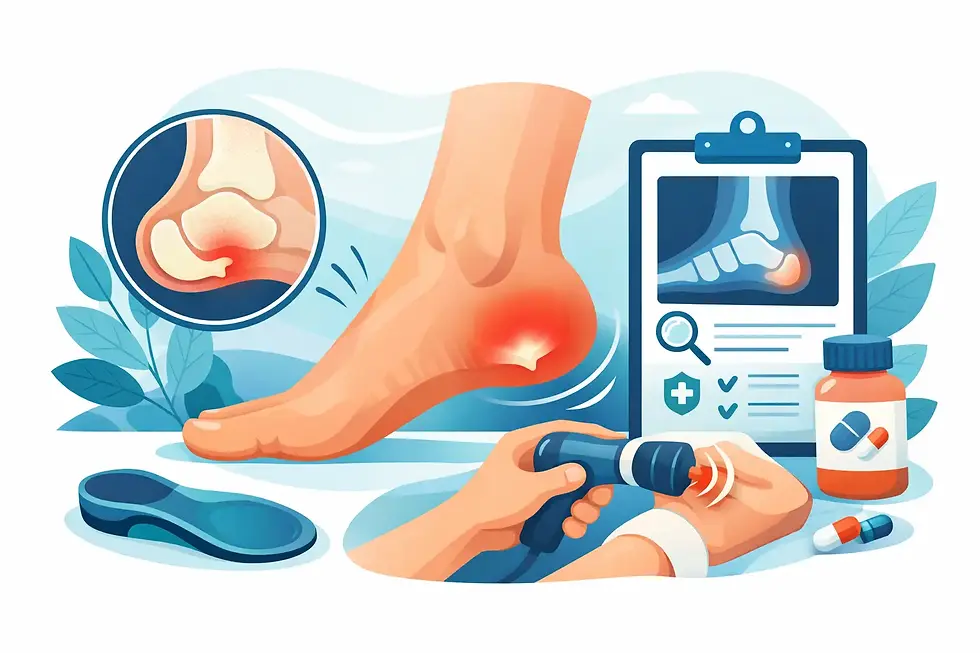
Before agreeing to orthotics, you should understand the working diagnosis and the treatment aim. For example, an orthotic prescribed for plantar heel pain may be designed to reduce stress through the plantar fascia and cushion the heel. For metatarsalgia, the priority may be offloading pressure beneath the forefoot. For tendon pain, the device may be part of a wider strategy to manage loading while strength is rebuilt.
Ask what the orthotic is intended to do, how it relates to your symptoms and whether other treatment is recommended alongside it. Clear answers help set realistic expectations and make it easier to notice whether the device is doing its job.
Materials and design: comfort has a clinical purpose
There is no single “best” orthotic material. Firmer materials may provide more control or durability, while softer layers can improve cushioning and comfort. Many prescriptions use a combination: a supportive shell or base, with top covers and padding chosen for pressure relief, warmth, sweat management or shoe fit.
The right balance depends on the condition and the footwear. A device for walking boots may be thicker and more structured than one intended for slim work shoes. An orthotic for a football boot, cycling shoe or running trainer must fit the available space without creating pressure on the top of the foot or crowding the toes.
Modern systems, including digitally designed options such as Phits insoles, can support precise, repeatable manufacturing. The technology is useful when it serves a thoughtful prescription. It should not replace clinical reasoning, practical fitting or follow-up care.
Shoe compatibility is often overlooked
Even an excellent orthotic can fail if it is placed in unsuitable footwear. Ideally, the shoe should have a secure heel counter, sufficient depth and a removable insole or enough internal room to accommodate the device. If the shoe becomes tight, unstable or painful after adding the orthotic, the issue may be the fit rather than the prescription itself.
Bring your regular shoes to your appointment where possible. This is especially worthwhile if your pain is linked to a particular setting, such as standing at work, walking the dog, running or wearing safety footwear.
What should the fitting process feel like?
New orthotics can feel unfamiliar. You may notice support beneath the arch, a change in how your foot contacts the ground or altered pressure through the heel and forefoot. This is not automatically a problem. However, sharp pain, numbness, rubbing, new blisters or worsening symptoms are not signs that you simply need to “push through”.
Most people benefit from a gradual wearing-in period. Start with shorter periods of comfortable walking and increase use according to the advice given by your podiatrist. If you have a significant pain condition, your activity plan may need to be adjusted at the same time. Returning immediately to a long run, a full day on your feet or a demanding sport can overload tissues that are still settling.
A fitting appointment should confirm that the orthotics sit flat in the shoes, do not move excessively and feel appropriate when standing and walking. Your clinician should also explain when to wear them, when not to wear them, and what symptoms warrant earlier review.
How long do custom orthotics take to work?
The timeframe depends on the diagnosis, how long symptoms have been present and whether other factors are contributing. Some patients notice a meaningful change in comfort within days. For persistent heel pain, tendon problems or pain associated with long-standing movement patterns, improvement may be more gradual and should be measured over several weeks.
Orthotics can reduce aggravating load, but they do not instantly restore strength, resolve every cause of pain or remove the need for sensible training progression. If weakness, reduced mobility or poor load tolerance is part of the picture, exercises and rehabilitation may be essential to a lasting result.
Look for changes that matter in daily life: less pain on the first steps of the morning, greater walking tolerance, fewer symptoms after work, improved confidence on stairs, or a more comfortable return to sport. Pain scores are useful, but function is often the more meaningful measure.
The value of review appointments
A custom orthotic is not a fit-and-forget device. Your symptoms, shoes, activity and foot shape can change over time. A review allows your podiatrist to assess whether pain has reduced, check for wear, make adjustments where appropriate and progress your rehabilitation plan.
Adjustment is not a sign that the original prescription was poor. It can be a normal part of individualising treatment, particularly where pain is complex or footwear options are limited. Conversely, repeated discomfort should be taken seriously. The device may need modification, but the diagnosis or wider treatment plan may also need reconsidering.
For children and teenagers, reviews are particularly important because growing feet and changing activity levels can alter fit and treatment needs. Adults with diabetes, inflammatory arthritis, reduced circulation or reduced sensation should also seek professional advice before using any insole, as pressure areas may carry greater risk.
Questions worth asking before you proceed
A reputable provider should welcome questions. Ask how the assessment informs the orthotic design, what outcome is expected, whether the device will fit your usual footwear, and when you should return for review. It is also reasonable to ask about the expected lifespan, care instructions and the cost of adjustments or replacements.
Be cautious of promises that an orthotic will correct every posture issue, permanently reshape an adult foot or cure pain without addressing activity, footwear and strength. Effective care is more measured than that. It focuses on reducing harmful load, improving comfort and helping you return safely to the activities that matter to you.
At Footporium Podiatry, orthotic recommendations are considered within a specialist podiatric biomechanics assessment, so the focus remains on your diagnosis and movement rather than a one-size-fits-all product. The most useful orthotic is the one that fits your life as well as your shoes: comfortable enough to wear consistently, purposeful enough to address the problem, and reviewed as your needs change.


Comments